Elizabeth Yarnell Amazon icon Audible icon Autographed icon Bluesky icon Book Bub icon Buffer icon Booksprout icon Buy Me a Coffee icon URL Copied! Copy URL Email icon Facebook icon Goodreads icon Headphones icon Home icon Instagram icon LinkedIn icon Linktree icon Mastodon icon Patreon icon Periscope icon Pinterest icon Reddit icon RSS icon Search icon Share icon Snapchat icon Threads icon TikTok icon Tumblr icon Twitter icon Vine icon Youtube icon Join a free Q/A Call!

Many kids do not need vitamin supplements

Many children do not need the vitamin supplements we push at them: they are healthy enough without them

Children who were reported to be the healthiest and most active with a balanced diet, greater access to health care and higher family income were more likely to take vitamin supplements, a new study notes.

Researchers at the University of Davis in California studied more than 10,000 kids aged 1-17. The lead physician on the project said many of the children who take vitamin supplements do not appear to need them because they are receiving adequate nutrition from the foods they eat. This is great news that lots of children are eating healthy foods and not living on a diet of fast or fake foods.

Unfortunately for those children on the other end of the spectrum, those without access to healthy food choices, adequate health care, and other factors of a healthy lifestyle, the story looks different. These are the ones who could actually use vitamins to help supplement what they’re missing. But these aren’t the kids who are taking them.

One charity that is trying to ease this gap is Nourish America. Nourish America is committed to provide the daily essential nutrition that impoverished American children, families, pregnant moms, and seniors and others in need require to live productive, successful lives.

For those of us adults with a healthy diet, however, we might want to consider carefully any supplements and see if we are already getting the nutrients through our foods before we add anything processed or synthetic to our bodies.
Healthy Easy Snacks for picky toddlers, kids, and adults, too

What do you do when a kid won’t eat vegetables?

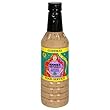
A neighbor’s child, Stacy (not her real name), was over to play the other day. I knew Stacy refused to eat most vegetables as her mother had just asked me for some ideas about how to resolve this. When snack time came around, the little girls came wandering into the kitchen looking for food. I decided to see what would happen if I served her a snack I knew she wouldn’t like: baby carrots and cucumber spears. This time, I served it with a special dip that is way better than ranch dressing: Annie’s Naturals Goddess Dressing.

At first she complained that she didn’t like vegetables, and especially not carrots, but after my daughter assured her that this dip was indeed yummy, the 4- and 5-year olds polished off all the veggies (and dip!) and asked for more.

Sometimes a simple thing like an exciting dip can make vegetables more appealing.

I had the same advice for my sister when she was looking for ways to encourage her 18-month old to eat more vegetables. I suggested cauliflower cut into little tiny-bite-sized florettes and a small dish of salad dressing or soy sauce for dipping. My sister called back wondering how I remembered that the small motor skills movement combined with the pincer grip and the dipping goal would be a winning combination to make eating vegetables fun at this stage of development.

Truth is, I think dipping is fun at every stage of development! But it’s very “Montessori”, too, and I’m a big fan of the Montessori early education philosophy and curriculum.

Here’s a fun list of healthy easy snacks to help keep you on track and feeling strong. Besides the raw veggies, another of my favorites on the list is the hard-boiled egg – it’s another winner for toddlers, too! My kids like to dip their hard boiled eggs in a small dish of sea salt as they eat it. Not only is it delicious this way, but they get 80+ trace nutrients and minerals their bodies can use as well.

When is “green” really GREEN?

Check out this guest post on Twilight Earth about one woman’s quest to find environmentally-friendly, non-toxic carpeting for her home. She brings up some interesting questions such as, Does 10% recycled material make something truly “green”? Can you call yourself “green” if the product still emits noxious gases after installation? What are the “green” standards?

Let me know what you think!

Nutritional Yeast Gives It A Cheezy Taste

Lately, I’ve been tweeting with @ShopOrganic, a tweeter with a website full of great organic items for every part of your life.

We were talking about spaghetti squash recently and I learned that sprinkling a little nutritional yeast on something that bakes in the oven will produce a “cheezy” taste without the dairy products and all of their fat, cholesterol, and calories.

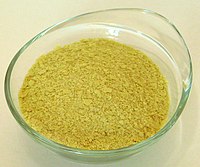
What is “nutritional yeast?”

Nutritional Yeast
Nutritional Yeast

Nutritional yeast flakes contain 18 amino acids (forming the complete protein) and 15 minerals. Being rich in the B-complex vitamins, it is vital in many ways and particularly good for stress reduction.

The ShopOrganic site says: “It has a cheesy nutty flavor. Use it as a condiment for rice, vegetables and popcorn. Add it to gravies and sauces. You can even add it to your cat or dog’s food to help eliminate fleas and promote a healthy coat and good general nutrition.”

Be warned that some brands may contain wheat, so read the labels if this is an issue for you.

I’m thinking of heading over to my natural grocery store to pick up some nutritional yeast today or tomorrow, since I’ve got a spaghetti squash sitting on my counter at home, waiting to be cooked and enjoyed. I’ll let you know how it turns out!

Follow me on Twitter and learn other fascinating facts, tips, and tricks for living a natural lifestyle!

31 Tips for Saving Money While Keeping Your Organic Lifestyle

This came across my Twitterstream recently and I thought it worthy of sharing. Meghan Rabbit gives a boatload of ways you can trim your budget without sacrifcing essentials in your lifestyle such as organic foods, workouts, or massages. (Meghan is a senior editor at Natural Solutions magazine.)

Some of my favorites include:

– Barter for goods. Meghan trades writing a monthly newsletter for unlimited yoga classes at her local studio.

– Stop buying bottled water. I fully agree. I live for my Nikken water filter and use it fill PBA-free water bottles. I just found some great new, shatterproof pba-free water bottles at King’s Soopers for 15% off. I got one for each family member for only $3-5 each.

– Make your coffee at home. I don’t know about you, but I gave up my $4/day Starbucks habbit years ago, early into the budget crisis. Either I bring my own coffee (organic, free trade, of course!) in my travel mug, or I get a small cup of decaf (less than $2) and savor it. Sigh. We must all make sacrifices in these times.