Aaahhh… springtime. The crocuses are peeking out, robins are building nests, and the trees are heavily laden with cherry blossoms. Spring has come… as if I didn’t notice. Oh, I noticed alright. For me, “spring” is synonomous with “itching”.
Yeah, I said it. Itching. As in, just about everything starts itching this time of year. From hayfever/pollen allergies to dry, itchy skin to dry, flaking scalp… they always seems to hit right around tax time. Coincidence?
More likely my hyper-histamined state is due to airborne pollens from those lovely flowering trees. The ultra-dry air from our winter-that-wasn’t is probably the culprit behind my relentlessly itchy scalp and knuckles, as well as my daughter’s eczema patches.
Which means it’s a good time to talk about some natural remedies for these problems that I’ve found that may work for you, too. Watch for the next few posts as I go through a number of remedies for itchy problems from constant sneezing to dandruff to hives.
There was a sweet potato eyeing me from my produce basket for the past few weeks, so last night I decided to put it to good use and build a meal around the delightful orange flesh.
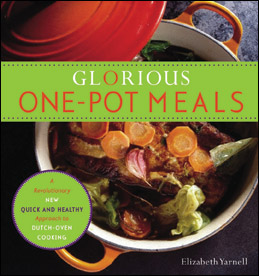
Luckily, with the Glorious One-Pot Meal patented cooking technique, it’s easy to throw together whatever you have around and come out with something lip-licking good. Last night was no exception.
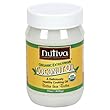
I started with Organic Coconut Oil, one of my current obsessions. After receiving a bad rap for decades, it’s finally been recognized that coconut oil has remarkable health-giving properties. It has a low smoke-point, too, so if you’re concerned about carcinogens created by smoking oil, switch to coconut oil for peace of mind. Of course, smoking oil is never a problem with GOPMs because you need oxygen along with high heat to cause this reaction, and GOPMs are cooked in a closed vessel.
So I slathered the sides and lid liberally with coconut oil. Besides offering non-stick properties, I love the subtle flavor it imparts to food. Especially to sweet potatoes, which came next in the pot. I scrubbed them well, removed the eyes, and sliced them into thin julienne sticks before scattering them in a thick layer across the base of the pot.
On top of the sweet potatoes, I placed individual frozen boneless, skinless chicken breasts. I covered them with a 6-oz can of chopped green chiles and a bit of sea salt, then threw in the rest of my vegetables: an undrained can of chopped tomatoes (ok, I know tomatoes are a fruit rather than a vegetable, but bear with me), florets of purple cauliflower that I saw at the store and couldn’t resist, and trimmed and halved Brussels sprouts.
I set a couple sprigs of fresh thyme and sage on top, just because I happened to have them around and I thought they’d lend a nice touch. I was right: the whole thing was scrumptious. I have to confess, I licked my plate clean of the coconutty juices that I spooned over the food from the bottom of the pot while serving. The sage, especially, was a nice touch.
My kids did pretty well with it, too, both loving the chicken and purple cauliflower. My daughter liked the sweet potatoes, but not the Brussels, while my son must have eaten at least 8 whole Brussels sprouts but only the required bite of sweet potatoes “to taste.”
Jenna’s engaging tales of rediscovering the simple joys of self-sufficiency, sustainable living, and learning how to do everything from sewing to canning to bee-keeping in remote northern Idaho inspired me. She even has her own dogsled team that she hooks up to her very own sled for silent night glides in the moonlight.
Not that I haven’t been into this kind of homesteading stuff before. Yes, I’ve gardened and canned and knit, but the two things that really caught my fancy in this book were the chickens and the bees. With more than 30 children under 8 populating the surrounding houses on our block alone, the bees are simply out of the question, though there is something seductive about sedating the bees with smoke and then stripping the combs of honey… But I’m back to the chickens. Hens, I mean.
Can you imagine, having farm-fresh, wholesome, antibiotic-free, free-range eggs produced for your family just steps from the back door? We LOVE eggs, and there is a difference in eggs raised this way: they are usually richer in color, flavor, and texture.
Slaughtering in the city is not allowed, which is just fine for me. Just the eggs, that’s all I’d want.
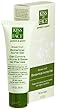
A few weeks ago I was in the ladies room in a San Francisco hotel during a seminar and overheard a woman passionately testifying about an acne product that had changed her life. I eyed her closely: smooth attractive skin, not a blemish to be seen. Yet, she claimed she had suffered from terrible acne as a teen and had just experienced another breakout earlier in the week. You would never know it by the looks of her. The product she used? Kiss My Face Organics Break Out Botanical Acne Gel
Around 300 companies have joined the Campaign for Safe Cosmetics and pledged to eliminate chemicals from their products that can cause cancer, mutations or birth defects. Promoted by the Environmental Working Group, safe products come from companies including The Body Shop, Burt’s Bees, Kiss My Face, Aubrey Organics, Avalon Natural Products and TerrEssentials.
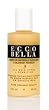
While I haven’t tried the Kiss My Face product myself, a product I have used for years to control sporadic blemishes and zits is Ecco Bella Leave-on Invisible Exfoliant & Blemish Remedy.
Just last weekend I found myself with an unwanted, unattractive “clogged pore” on my chin at an inopportune time (aren’t they all?). I washed my face with a mild cleanser and popped the zit with kleenex-wrapped fingernails (ok, maybe I’m not supposed to do this step, but I think it’s helpful to get the pus out before the healing can begin. Check with your esthetician about this.).
Then, I dabbed some of the Ecco Bella on the spot, let it dry, and within 36 hours there was nary a sign of the unwanted visitor.
Do you know which fruits and vegetables you should really try to get organically grown, and which are ok to eat when conventionally grown?
Check out the 5th edition of the classic Shopper’s Guide to Pesticides from the Environmental Working Group, now with the latest government data. This handy guide shows you the fruits and veggies with the most and least pesticides, so you know which to always buy organic and which are pretty clean even when conventionally grown.
See the list of all 47 fruits and vegetables analyzed to find out where your favorites rank. Find out what changed about bananas, carrots, and spinach (among others), and get a printable version of the wallet-sized guide.

 I started with
 I’ve been thinking about the chicken project ever since I read Jenna Woginrich’s
 smooth attractive skin, not a blemish to be seen. Yet, she claimed she had suffered from terrible acne as a teen and had just experienced another breakout earlier in the week. You would never know it by the looks of her. The product she used?
 sporadic blemishes and zits is
  .
.