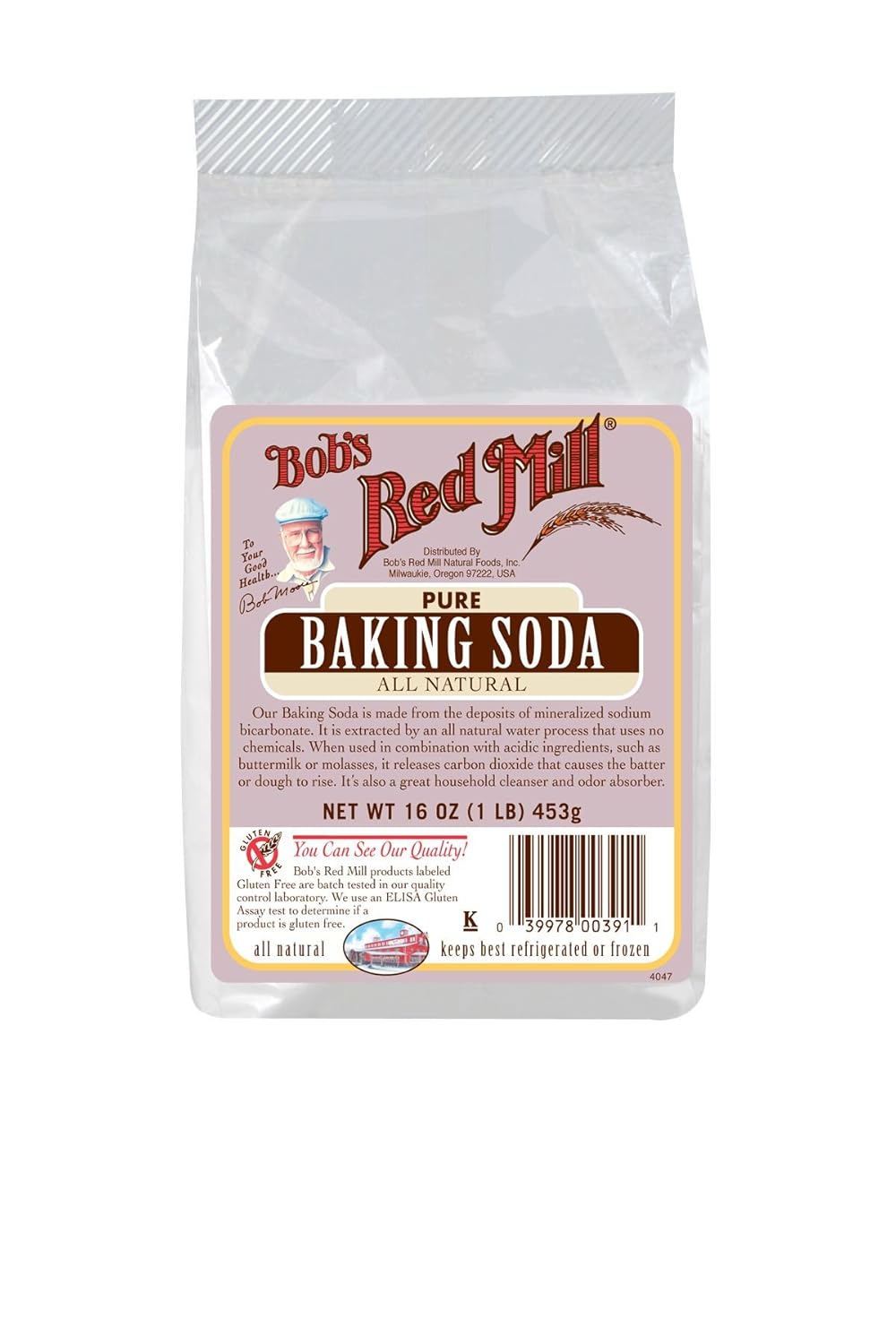
We were deep in the Rockies this weekend and I can report that the mosquito population up there is thriving. Luckily we knew about using baking soda to relieve bug bites.
While our natural bug repellent worked amazingly well, each of us came away with a bite or two. Our mountain host mixed together a paste of baking soda and water to apply to the itchy bites. As the paste dried, the itchiness receded. Aaahhhhh…. relief!
If you don’t have baking soda around there are a couple other commonly found items that can be applied to help dry up and relieve the discomfort of bug bites:
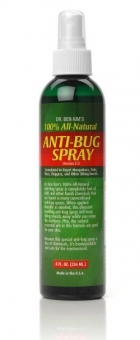
A jaunt up into the Rockies this weekend showed us that our recent rains have led to a booming crop of mosquitos. Oh, the air was thick with them, particularly as the day neared dusk. Luckily, we had a good insect repellent with us that worked amazingly well.
Dr. Ben Kim’s Anti-Bug Spray Version 2.0 contains a high concentration of essential oils in an easy-to-apply pump spray bottle. It smells good and visibly kept the hordes of mosquitos at bay, without any toxic chemical or DEET, a known toxin that has been shown to cause brain cell death in rats.
I have seen how DEET will melt the hard plastic casing of a flashlight to create fingerprints where it was touched by hands covered in insect repellent. I don’t need to wait for the government to confirm my bad feelings about this powerful chemical or its effect on human bodies, especially the developing bodies of babies and children.
No one out there is measuring the accumulated exposure to the multiple chemicals we come into contact with every day through everything from the shampoo we use, the toothpaste we brush with, the air we breathe, the water we drink, the pesticides on our foods… and on and on. A little DEET here, a little Aspartame there, a bit of BPA on the side… it all adds up in our body tissues.
It’s up to each of us to avoid exposures where and when we can to safeguard our own health. A DEET-free insect repellant that actually repels insects is a good place to start. Try this one.
It’s hot around here this July week. For people suffering from multiple sclerosis, extreme heat can exacerbate MS symptoms and make them even more uncomfortable than usual. It’s can help to have a surefire way to cool the body down quickly and alleviate symptoms like fatigue and malaise.
The inside of your wrists, that same spot where a nurse might feel for a pulse, is the most accessible place to rapidly cool your bloodstream. Hold your wrists under a cool stream of water for a couple minutes and feel your entire body cool down almost instantly.
Pressing ice cubes, or even a chilled unopened can of soda, against that sensitive skin there on the wrists can work as well, for quick cooling.
Making sun-tea is one of my favorite summertime rituals. There’s not much as refreshing as a tall glass of iced tea on a hot day, but I prefer to brew my own tea rather than ingest all of the additives found in the range of store-bought cans or bottles available now.
Sun tea brewing on my patio.
While you may believe you’re making a healthier choice by choosing a tea-based commercial refreshment over a soda pop, this is not necessarily the case. Arizona Tea is one of the biggest culprits because they add high fructose corn syrup (a GMO and artificial sweetener that is not good for your health), and “natural flavors” (which aren’t really “natural”) to their cans of flavored teas. But they are far from the only tea company guilty of this health-claim deception. I could go on and on, but you’d be wise to read the label yourself before reaching for that prepared tea-based beverage.
Making sun-tea ensures the purity of the iced tea my family enjoys so much. When desired by me or the kids, we sweeten it with a splash of cranberry juice in the glass, a dollop of agave nectar, or a sprinkle of Sugar-In-The-Raw.
Sun-tea uses solar power to brew the tea, making it an energy-efficient beverage as well. Here’s how to make it:
1. Fill a glass jar with clean, cold water.
2. Drop in 6 tea bags. This summer I’ve been using 4 bags of decaffeinated black tea and 2 bags of mint tea in each jar and the combination is delicious.
3. Loosely cap the jar and set it in the sun to brew until the liquid is darker and you deem it to be strong enough.
4. Remove the tea bags and squeeze excess liquid into jar.
“In this land of plenty, the standard American diet (SAD) may be causally related to a child’s developmental disability. There is much in the literature that supports healing the body and using food as medicine. Literature has established the presence of gastrointestinal (GI) inflammation in many children diagnosed with autism spectrum disorders (ASD). This evidence persuasively suggests that GI inflammation may exacerbate ASD symptoms and, conversely, that dietary interventions can ameliorate GI inflammation in at least some children, improving overall outcomes.”
A 2006 study found that 70% of children on the autism spectrum (ASD) had GI issues including acid reflux, diarrhea, constipation, and malordorous stools. Another study, this one in 2002, found that autistic children put on gluten-free/casein-free diets for one year experienced increased social connectedness, improvement in transitions, and improved willingness to learn.
The Feingold Association has long studied the link between behavior and ADHD and additives like food dyes and colors (FD&D).
Food sensitivity testing can fine-tune an autistic child’s diet and take out the guesswork. You might discount the impact of what your kid is eating on how they are acting, but you won’t know until you radically change their diet just how much they are affected. Because food sensitivity reactions may manifest up to four days after exposure, it can be impossible to determine for yourself if foods are having any impact. When a person is in chronic inflammation, there is no way to make any meaningful connections between foods and behavior or thought processes. It’s only by reducing the overall inflammatory load very scientifically –with the help of a qualified nutrition professional– that these connections will become glaringly apparent.