Elizabeth Yarnell Amazon icon Audible icon Autographed icon Bluesky icon Book Bub icon Buffer icon Booksprout icon Buy Me a Coffee icon URL Copied! Copy URL Email icon Facebook icon Goodreads icon Headphones icon Home icon Instagram icon LinkedIn icon Linktree icon Mastodon icon Patreon icon Periscope icon Pinterest icon Reddit icon RSS icon Search icon Share icon Snapchat icon Threads icon TikTok icon Tumblr icon Twitter icon Vine icon Youtube icon Join a free Q/A Call!

Do You Know Where Your Food Comes From?

Here comes another must-see movie that gives us a horrific peek behind the scenes of our nations food supply: Food, Inc.

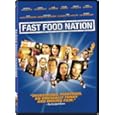
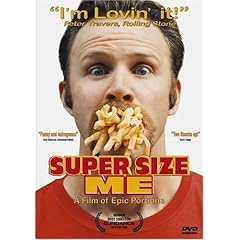
Following the honorable footsteps first laid in Upton Sinclair’s The Jungle,and coming from a movie lineage that includes Fast Food Nation and Super Size Me, Food Inc.‘s goal is to raise awareness and bring focus to these dirty little industrial food production secrets that make us sick to think about as well as physically ill.

Watch the Food, Inc. trailer to get a taste of what’s in store… or rather, what’s in the stores.

Does voting with your food dollars make a difference?

I love to remind people that each time we choose an organic item over it’s conventional counterpart, we are voting with our dollars. In a capitalist market-driven economy, where there is demand the supply will increase to meet that demand.

In her Huffington Post article, “Vote First, Eat Later,” Susanne Freidberg reminds us that the dollars we spend on food purchases don’t necessarily influence farm legislation, food safety inspections, or desperately needed corporate oversight of the mega food producers.

” But as foods labeled organic and local become more available,” she notes, “it’s worth remembering that these alternatives do not guarantee better working conditions for farm and packhouse workers. They do not touch the crop subsidies that fuel overproduction at home and hunger abroad. They do not fix the weak food safety laws that sent consumers searching for alternatives in the first place.”

I agree, Susanne. Thanks for bringing up a good point. It’s easy to focus on the trees and forget the forest around us.

Susanne points out that many groups are working to overhaul the USDA, strengthen farm workers’ rights, and counter the agribusiness lobby. “These activities deserve our support, yet tend to get overshadowed by shopping tips aimed at “changing the world with every bite.” Wouldn’t it be better if we did not feel obliged to do this? Informed consumer buying power is not trivial. It is also no substitute for political actions to empower everybody to worry less about their food, and enjoy it more.”

Here are some of my favorite groups to support in this mission. Share your favorites in the comments below!

– Environmental Working Group and their Campaign for Safe Cosmetics

– Organic Consumers Association

– Oceana

– Safe Tables Our Priority (S.T.O.P.)

– Slow Food
Non-toxic Lunchbox Containers

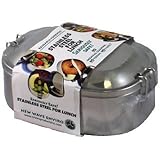
As part of our goal to have a BPA-free household, I’ve been looking for new food containers to use in my kids’ lunchboxes. I’ve been really pleased with this New Wave Enviro Stainless Steel Lunch Box.

I can fit a sandwich (or the fixins’ for a build-your-own sandwich for my 6-year old who needs things just a certain way!), or leftover pasta salad, or chicken and veggies, or whatever I’m packing them for lunch that day. The latches are easy enough for small hands to open and close and the containers wash up easily in the dishwasher or by hand.
I really like the look and feel of this Rectangular Stainless Steel Lunch Box System, too. It may be one of my next purchases for the school year…

Is Your Sunscreen Safe?

Are you sure that your sunscreen works and is safe for your family’s skin?

The Environmental Working Group’s brand new review of 1,572 products found that 3 out of 5 sunscreens offer inadequate protection from the sun or contain ingredients with significant safety concerns. And for the first time, they also review sun-protective lip balms and lotions.

The EWG identified fewer than 100 products that offer very good sun protection with ingredients that present minimal health risks to users. Leading brands like Coppertone, Banana Boat and Neutrogena fared poorly.

Remember to look for safe sunscreens without oxybenzone, a hormone disruptor, and with sun blocking minerals like zinc and titanium.

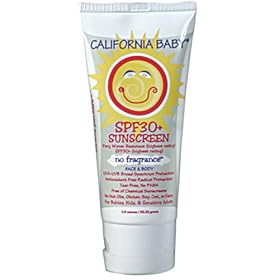
I’m happy to see that my favorite sunscreen by California Babymade the top 10 for safety and effectiveness. 🙂

Check out your favorite sunscreen with this handy widget and see how it ranks!

Embrace Your Curls, Don’t Chemically Straighten Them!

According to the Campaign for Safe Cosmetics, chemical hair straighteners are some of the most toxic products that you can absorb through your hair and scalp.

With a pH of about 12, similar to that of household ammonia or soap, chemical relaxers are among the most caustic cosmetic products on the market, says the Environmental Working Group, a nonprofit environmental organization that is behind the Campaign for Safe Cosmetics. Along with hair dyes, hair straighteners are the source of more complaints to the Food and Drug Administration’s Office of Cosmetics and Colors than almost any other product.

While I’ve never been one to use a chemical hair straightener, there have been many, many times when I’ve wished for a good solution to managing my wild tangle of curls and frizz. You should see the shelves of half-used hair products around my bathroom — if you’re not someone who has struggled to control their hair for decades, then you might think it was overkill.   🙂

Luckily, my sister introduced me to Ouidad products a few years ago, though it wasn’t until I made the trek into a Ouidad salon a few times that I got the right cut and the hang of how to style it. Now I can celebrate my curls instead of curse them. I’ve even entered the Ouidad curl contest — you can help me out by casting your vote below and passing it along.

Here’s to beautiful curls without toxic chemicals!