Hi Elizabeth, I have Fibromyalgia, IBS, and other symptoms that won’t go away. I am scheduled to have my blood drawn to get the ALCAT test done which tests for food sensitivities as well as chemical, additives, herbs, molds etc. Is the MRT test like the ALCAT test? What’s the difference between the 2 tests? Thank you. – Denise B., East Aurora, NY
This is a great question, Denise, and one I hear quite often when people are looking at food sensitivity testing. First, I have to congratulate you for recognizing that your symptoms are classic food sensitivity reactions! To make this connection is the first step in feeling better.
The ALCAT is pretty similar to MRT in that they both look for a non-IgE mediated inflammatory reactions in the blood when exposed to allergens. Both tests can help identify factors that trigger Type III or Type IV hypersensitivity reactions and can cause symptoms like yours. In fact, the immunologist who invented ALCAT, Dr. Mark Pasula, also invented MRT more than ten years later. He sees MRT as the next generation of ALCAT as it takes advantage of advancements in technology that were not available when the ALCAT was developed.
In a nutshell: ALCAT can tell you that you’re speeding, but MRT can not only tell you that you’re speeding but also how fast you are going.
Probably the biggest differences between ALCAT and MRT are accuracy and reliability. Here is an example of how they differ:
Suppose you had 100 people and it was your job to weigh them the most accurate way possible. You were given the option of using 2 different types of scales to make the measurements. One was a scale that could weigh all 100 people at once. As no instrument is 100% precise, the scale had a 2% error per reading.
The second option was to use a small scale that weighed each person individually, but that also had roughly 2% error margins. When you weighed all 100 people, the first option would have an error margin of 2% while the second option would have an error margin of 2% x 100.
MRT is the first option. It measures the cumulative total volume of liquids and solids, whereas ALCAT measures each individual cell. Therefore, the error margin is going to be significantly higher in ALCAT than in MRT.
This is borne out in published studies that show MRT is around 93% accurate and ALCAT is around 80% accurate.
 But beyond the actual testing of the blood, you should realize that MRT gives quantitative results that are further integrated with the LEAP (Lifestyle Eating And Performance) diet, which is unique to MRT. With LEAP, you get dietary and nutritional guidance tailored to your individual MRT profile rather than being sent home with instructions to simply “eliminate” and hope it helps. LEAP includes customized recipes and personalized meal plans designed by professionally-trained nutritionists and Registered Dieticians to help ensure your recovery from your symptoms. Certified LEAP Therapists (CLT) complete about 80 hours of training to fully understand how to best implement MRT results to get see symptom remission quickly and completely. Overall, MRT together with LEAP brings better results than any other type of food sensitivity testing.
As a Naturopathic Doctor (ND), a CLT and a Certified Nutritional Consultant (CNC), I have seen first hand how much more effective and sustainable it is to employ the cutting-edge LEAP dietary strategies when managing food sensitivities than it is to flounder on your own feeling hungry, deprived, and resentful or worse: still suffering.
I am always available to evaluate whether or not your symptoms are indicative of food sensitivities and if you would be a good candidate for MRT/LEAP. Please feel free to contact me to to schedule a free consultation.

 According to Dr. Mercola, Dr. Saul co-wrote the book with Abram Hoffer M.D., Ph.D., who published over 600 reports and articles as well as 30 books. “His early work led to the use of niacin for schizophrenia and as an cholesterol treatment. Dr. Hoffer died in 2009 at the age of 91, but he successfully treated many thousands of patients with high dose niacin for psychotic disorders. He presented some very compelling evidence to support treating most psychotic disorders as a vitamin B3 deficiency.”
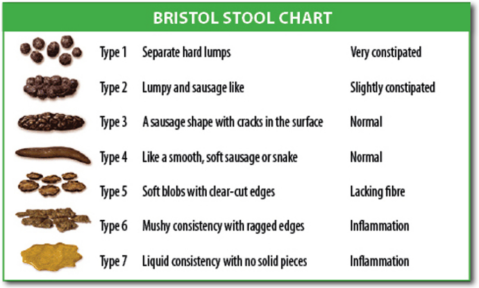 The state of someone’s stool says a lot about their internal processes, i.e., if they are absorbing their foods, suffering from inflammation, and/or infected by parasites. I ask about color, odor, buoyancy, frequency, ease, and consistency. One of the tools I use to assess the responses is the