Let’s get this straight: “cage-free” does not equal “organic” when it comes to chicken eggs. It’s good to know the difference when you’re wondering whether it’s worth the extra dollar for the word “organic” on the egg carton.
There are many types of ways you can get your eggs these days, and it’s easy to feel overwhelmed and just snag the cheapest carton available at the grocery store. Besides “organic” and “cage-free,” you might see eggs that boast “fed vegetarian feed,” “omega-3s,” “vitamin D,” and even “low cholesterol”. What’s a health-conscious shopper to choose?
Here’s the lowdown on what all these buzzwords on your eggs mean: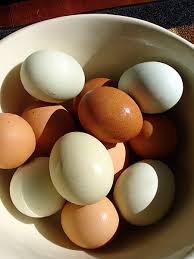
Conventional eggs. Ok, you won’t see the word “conventional” on the egg carton, but regular eggs come out of conventional egg producing operations. As we have only recently become aware, the conditions usually include rows and rows of hens that are kept in wire mesh cages sometimes too small to stand up or move around. The crowded conditions require the frequent use of antibiotics, and growth hormones and other chemical stimulants are allowed by the FDA to increase egg production. Other conditions might include sleep deprivation, beak shearing, and cut feet from the wire base. These eggs are cheapest to produce, and hence the cheapest to purchase.
Cage-free eggs. “Cage-free” means that the hens are not confined to wire cages and are allowed to roam in a pen. This could mean that the hens get outside access, or it could mean an indoor pen that may be very crowded. The carton may include a further indicator telling you if the chickens have outdoor access or not.
Free range eggs. Free range hens have the run of an outdoor area where they can peck around and play hen games for at least a limited amount of time each day. “Free range” does not address the content of the feed nor does it cover antibiotic use.
Brown eggs. Brown eggs come from brown chickens; white eggs come from white chickens. Chicken eggs are determined by the color of the hen’s feathers and the breed of chicken.
Vegetarian diet. This indicates that their Chicken Chow does not contain any non-vegetarian ingredients. Conventional Chicken Chow may contain protein derived from animal parts to bulk up the chickens more quickly. In a natural life, chickens enjoy worms, grubs and insects as well as grains and seeds, but never protein from other animals or birds. Bovine spongiform, better known as mad cow disease, is an example of what can be spread through adding animal remnants to the feed for herbavores. “Vegetarian-fed” eggs ensure that these egg-layers were never fed carnivorous feed.
Omega-3 eggs. If eggs are labeled “omega-3”, it usually means that omega-3 fatty acids were added to the hens’ feed. These omega-3 fatty acids may be derived from flax seeds or from fish oils; you’ll have to read the package to know for sure.
Vitamin D eggs. As with the claim for fatty acids, if eggs claim they contain vitamin D or other nutrients it is because they have been added to the chicken feed.
Low cholesterol eggs. This, too, is accomplished by altering the hens’ diet, often by using canola oil for the fat in the mix. If you are a fan of canola oil (a GMO created by the Canadian Oil company), and believe the flawed theory that cholesterol is a risk factor for heart disease, you might look for this claim on the carton. Remember, however, that canola oil is not part of the natural diet of a chicken.
Fertile eggs. Most eggs you purchase are not fertilized; fertile eggs have been fertilized and often contain a bloody spot that is the precursor to an embryo. Some people think these offer hormonal or other benefits. An egg with a bloody spot is not considered kosher.
Farm-raised or Pasture-raised eggs. These come from hens who live in a classic farm-like environment where they have the run of a yard to peck around in and get a natural variety in their diet.
Organic eggs. According to the USDA, organic egg layers must have outside access and not be kept in cages. They must be fed certified organic, vegetarian feed free of GMOs. Antibiotic use is restricted and inhumane treatment such as forced molting is not allowed. Certain animal welfare guidelines must be followed.
To return to the original question posed by this post: Are “cage-free” eggs the same as “organic eggs”? The answer is no. Although it’s good to know that the producers of your breakfast eggs don’t spend their lives in cramped wire cages, “cage-free” hens may still be receiving regular antibiotics and be eating feed containing animal byproducts and GMOs. They may still be subject to forced molting to increase egg production and other inhumane conditions.
The “organic” certification on eggs insures the purest eggs produced without questionable animal byproducts in the most humane conditions. It’s up to you to decide if that extra dollar is worth it at the grocery store.